
As artificial intelligence (AI) continues to reshape the digital landscape, its impact on search engine optimization (SEO) is profound. With AI-driven search features like Google's AI Overviews, ChatGPT, and Perplexity transforming how users find information, marketers must adapt to stay competitive. This blog explores key AI SEO statistics and trends for 2026, offering actionable strategies to optimize for AI-driven search environments. Data is sourced from recent studies, including insights from Ahrefs' comprehensive research on AI SEO trends.
The Rise of AI in Search: Key Statistics
AI is no longer a futuristic concept—it's a core component of modern SEO. Below are critical statistics highlighting AI's influence on search in 2025, setting the stage for 2026:
- Google's Dominance vs. AI Search: Google drives 345x more traffic to websites than AI platforms like ChatGPT, Gemini, and Perplexity combined. However, AI traffic has surged 9.7x in the past year, signaling a growing shift toward AI-driven search.
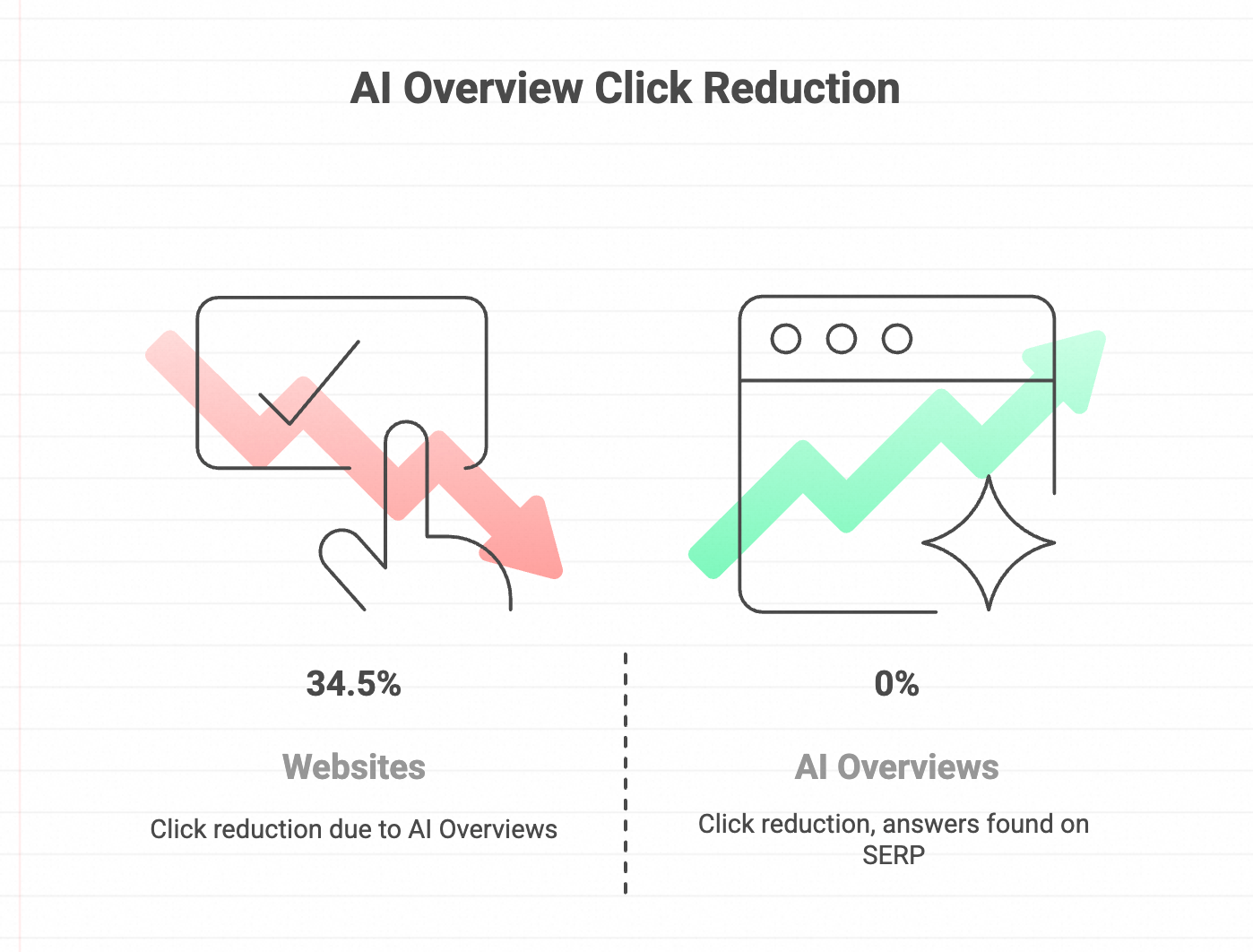
- AI Overviews Impact: Google's AI Overviews, appearing in 16% of U.S. searches, reduce website clicks by 34.5%. Yet, 76% of their citations come from Google's top 10 organic results, emphasizing the importance of traditional SEO.
- Content Freshness: AI search platforms prioritize content that is 25.7% fresher than traditional organic results, rewarding timely updates.
- ChatGPT's Role: ChatGPT accounts for over 80% of AI referral traffic, with an 85% growth in traffic to websites since January 2025. Only 6.82% of its results overlap with Google's top 10, showing its unique sourcing behavior.
- Brand Authority: Brands in the top 25% for web mentions earn 10x more AI Overview mentions, underscoring the value of online authority.
These stats reveal a dual challenge: maintaining strong traditional SEO while optimizing for AI-driven platforms that favor fresh, authoritative content.
AI Overviews: A Game-Changer for SEO
Google's AI Overviews are reshaping search behavior. Appearing in 47% of searches and doubling in prevalence since the March 2025 Core Update, they dominate informational queries. Here's how they impact SEO:
- Reduced Click-Through Rates: AI Overviews cut clicks to websites by 34.5%, as users often find answers directly on the search engine results page (SERP).
- Citation Patterns: 76% of AI Overview citations pull from Google's top 10 organic results, but 26% of brands have zero mentions, highlighting a visibility gap for smaller players.
- UGC Preference: AI Overviews favor user-generated content (UGC) sites like Reddit (5.5%), Quora (3.6%), and YouTube (9.5%), reflecting a shift toward authentic, community-driven content.
Strategy for 2026
To optimize for AI Overviews:
- Focus on Top 10 Rankings: Prioritize high-quality, optimized content to secure top Google rankings, as these are heavily cited in AI Overviews.
- Leverage UGC Platforms: Engage with platforms like Reddit and Quora to build authority and increase citation chances.
- Update Content Regularly: Ensure content is fresh, as AI prioritizes recent information.
ChatGPT and AI Referral Traffic
ChatGPT is the leading AI referrer, driving 5% more traffic than Reddit and accounting for over 80% of AI-driven website visits. Its preference for newer content and news sources (e.g., Reuters, Apple News) sets it apart from Google.
- Traffic Growth: ChatGPT's traffic to websites grew 85% in 2025, making it a significant player in AI SEO.
- Unique Sourcing: Only 6.82% of ChatGPT's citations overlap with Google's top 10, with 83% coming from non-Google sources.
- Conversion Potential: AI visitors from ChatGPT convert 23x better than traditional search visitors, despite lower page views.
Strategy for 2026
To capitalize on ChatGPT's influence:
- Target News and Fresh Content: Publish timely, news-driven content to align with ChatGPT's preference for recent sources.
- Optimize for Conversions: Design landing pages to capture high-converting AI traffic, focusing on clear calls-to-action.
- Diversify Sources: Build presence on non-Google platforms to increase citation likelihood.
AI Content Adoption in SEO
AI-generated content is now a cornerstone of SEO strategies, with 87% of marketers using AI to create content. Here's how AI is transforming content production:
- Cost Efficiency: AI content is 4.7x cheaper than human-written content, with an average cost of $131 per blog post versus $611 for human-written posts.
- Content Volume: Marketers using AI publish 42% more content (17 articles/month vs. 12 for non-AI users).
- Quality Control: 97% of companies review AI content before publishing, ensuring quality and accuracy.
- No Ranking Penalty: 86.5% of top 20 Google results contain AI-generated content, proving it competes effectively with human content.
Strategy for 2026
To leverage AI in content creation:
- Use AI for Efficiency: Employ tools like ChatGPT, Gemini, or Claude for brainstorming (76%), outlining (73%), and content updates (67%).
- Maintain Human Oversight: Implement rigorous review processes to ensure AI content meets quality standards.
- Scale Content Production: Use cost savings from AI to increase content output, targeting long-tail and informational queries.
Building Brand Authority for AI Visibility
AI search rewards brands with strong online authority. Branded web mentions, anchors, and search volume are stronger predictors of AI Overview visibility than traditional backlinks.
- Brand Dominance: The top 50 brands account for 28.9% of AI Overview citations, while 26% of brands have zero mentions.
- Correlation with Mentions: Branded web mentions (0.664 correlation) and anchors (0.527) strongly influence AI visibility, unlike backlinks (0.218).
- Nasdaq Correlation: 32% of Nasdaq companies see a link between search visibility and stock prices, emphasizing the business impact of AI SEO.
Strategy for 2026
To boost AI visibility:
- Amplify Brand Mentions: Secure mentions in podcasts, news articles, and industry reports to build authority.
- Optimize for Branded Searches: Create content targeting branded queries, as 45.7% of Google searches are brand-related.
- Engage in PR Campaigns: Invest in public relations to increase branded anchors and web mentions across high-authority platforms.
Preparing for AI Bot Behavior
AI bots are becoming as prevalent as traditional search crawlers, contributing 18.9% of web requests. Managing their impact is crucial for server performance and SEO.
- Bot Growth: The number of AI bots doubled since August 2023, with 21 major bots active.
- Blocking Trends: GPTBot (5.89%) and ClaudeBot (32.67% growth in block rates) are frequently blocked by websites to manage server load.
Strategy for 2026
To handle AI bots:
- Monitor Bot Traffic: Use tools like Ahrefs' Brand Radar to track AI bot activity and optimize server resources.
- Selective Blocking: Block low-value bots while allowing high-impact ones like ChatGPT to crawl your site for potential citations.
Final Thoughts
AI SEO is evolving rapidly, with platforms like Google's AI Overviews and ChatGPT reshaping how content is discovered and consumed. To thrive in 2026, marketers must balance traditional SEO with AI-driven strategies, focusing on fresh content, brand authority, and efficient content production. By leveraging AI tools, optimizing for UGC platforms, and building a strong online presence, businesses can stay ahead in this dynamic landscape.
For the latest AI SEO insights, check out resources like Ahrefs' Brand Radar and stay updated on emerging trends. Start adapting your strategy now to dominate AI-driven search in 2026.